THE BACKSTORY

WHERE IT ALL STARTED
We believe in an honest relationship between land, farm, and table. The Chop Shop is how we bring that story full circle.
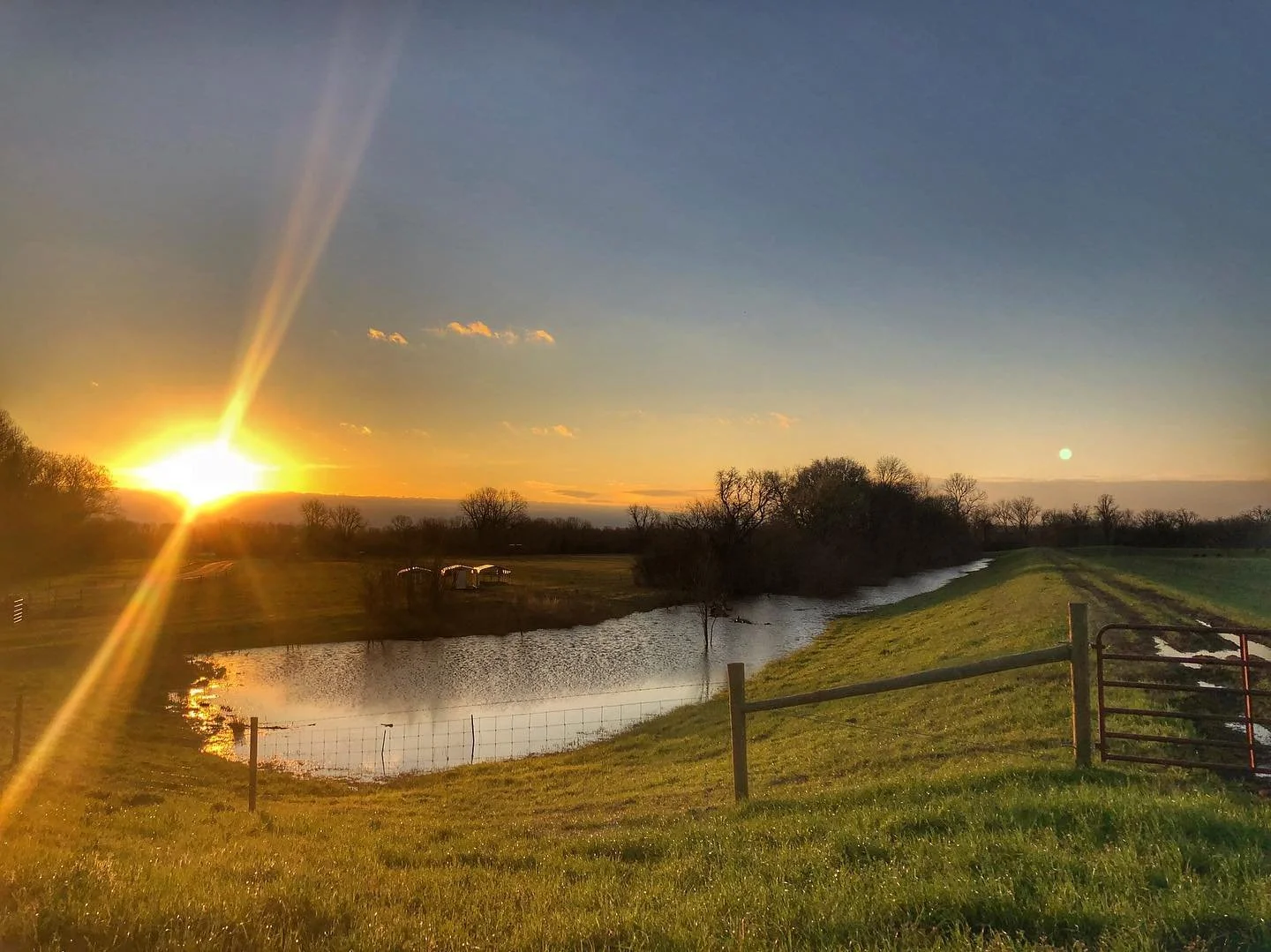
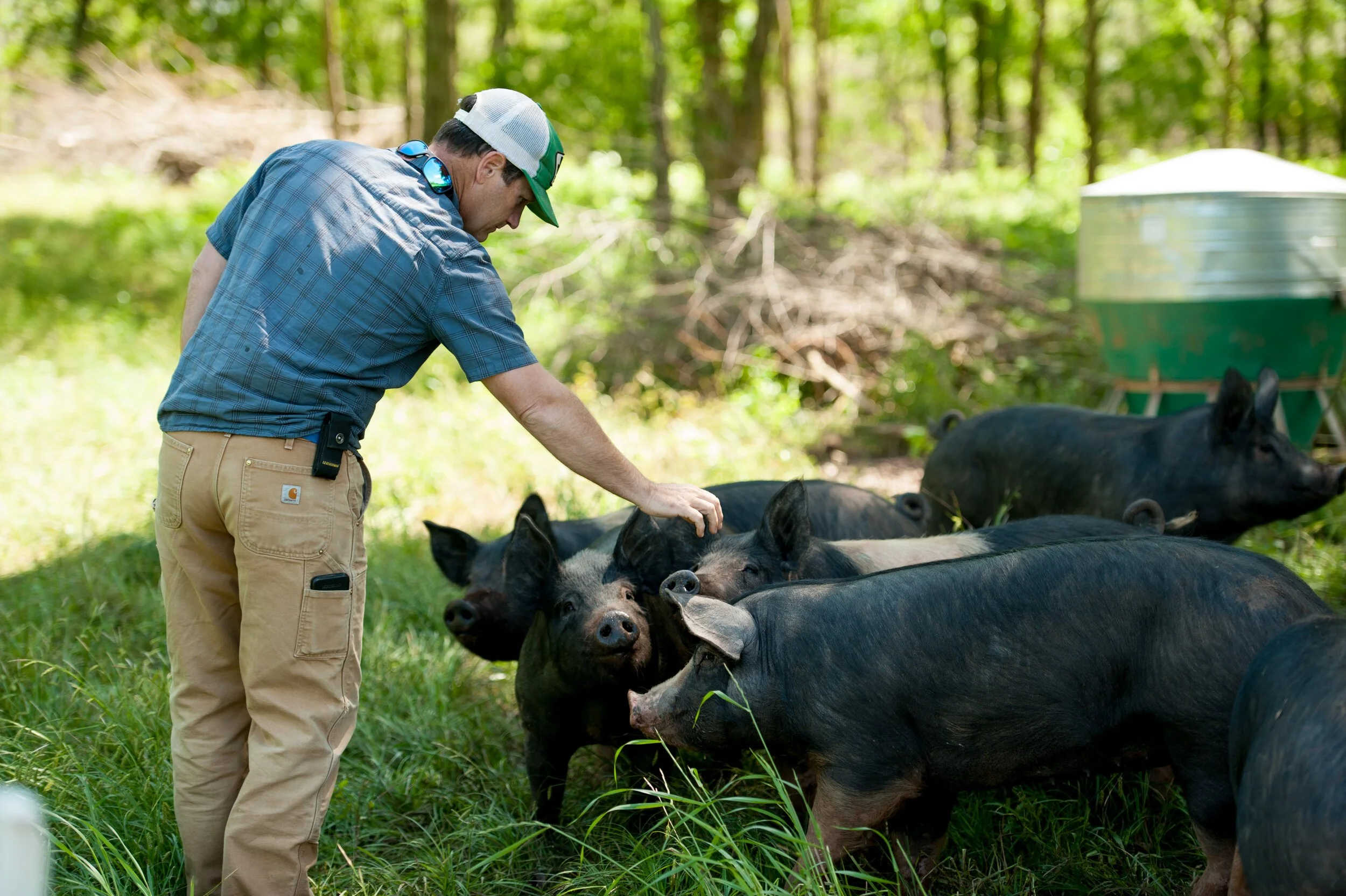
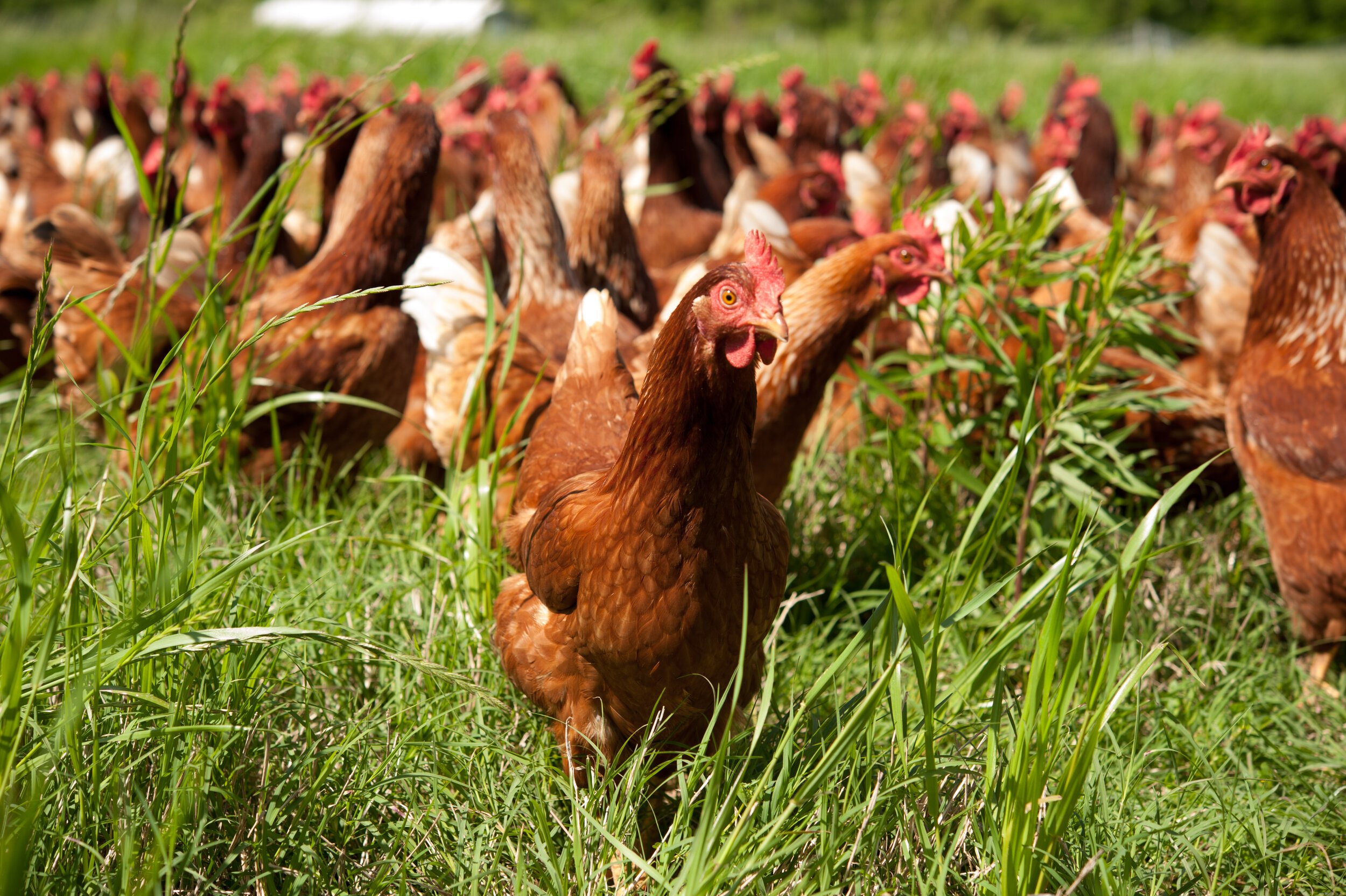
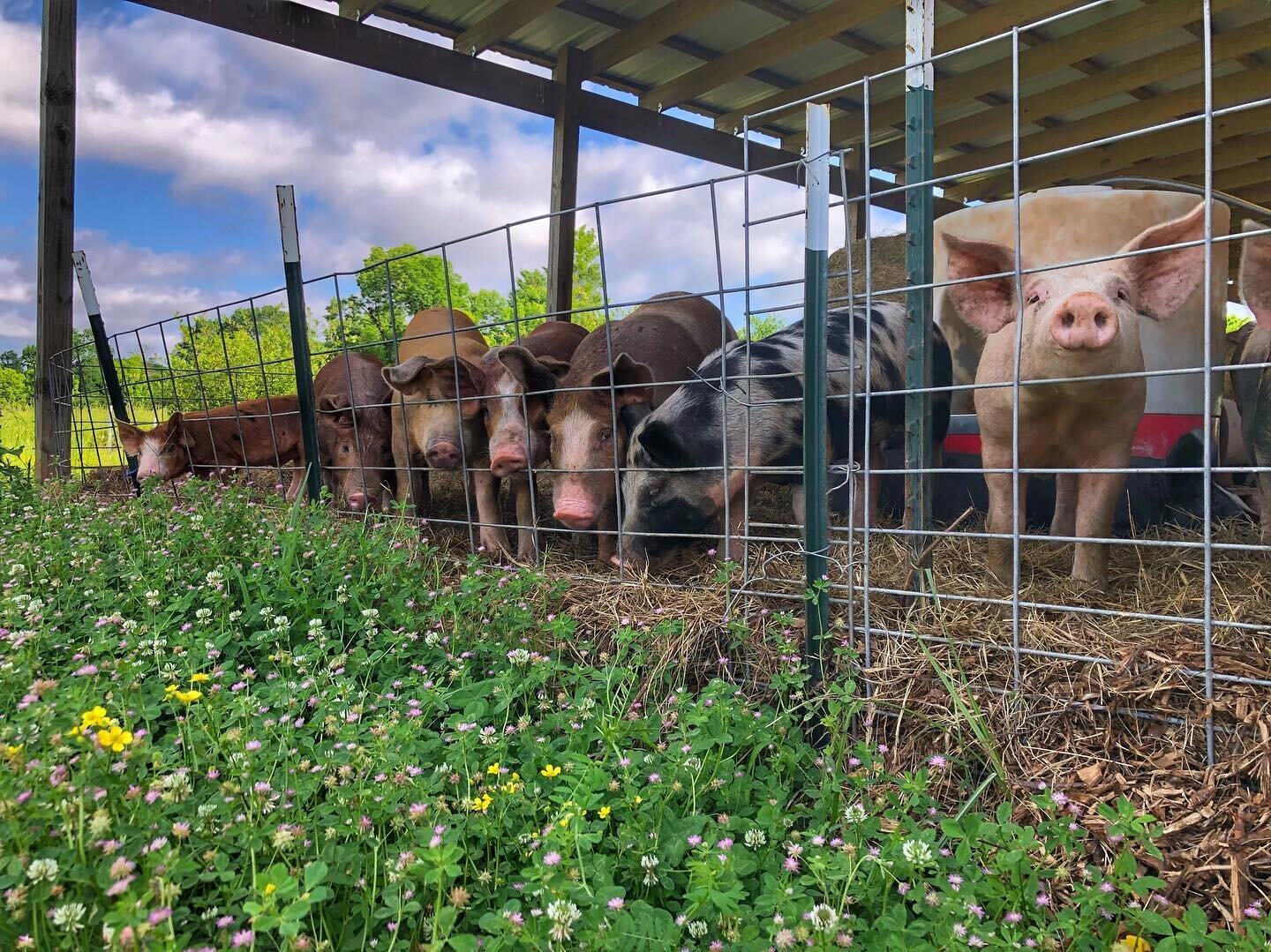
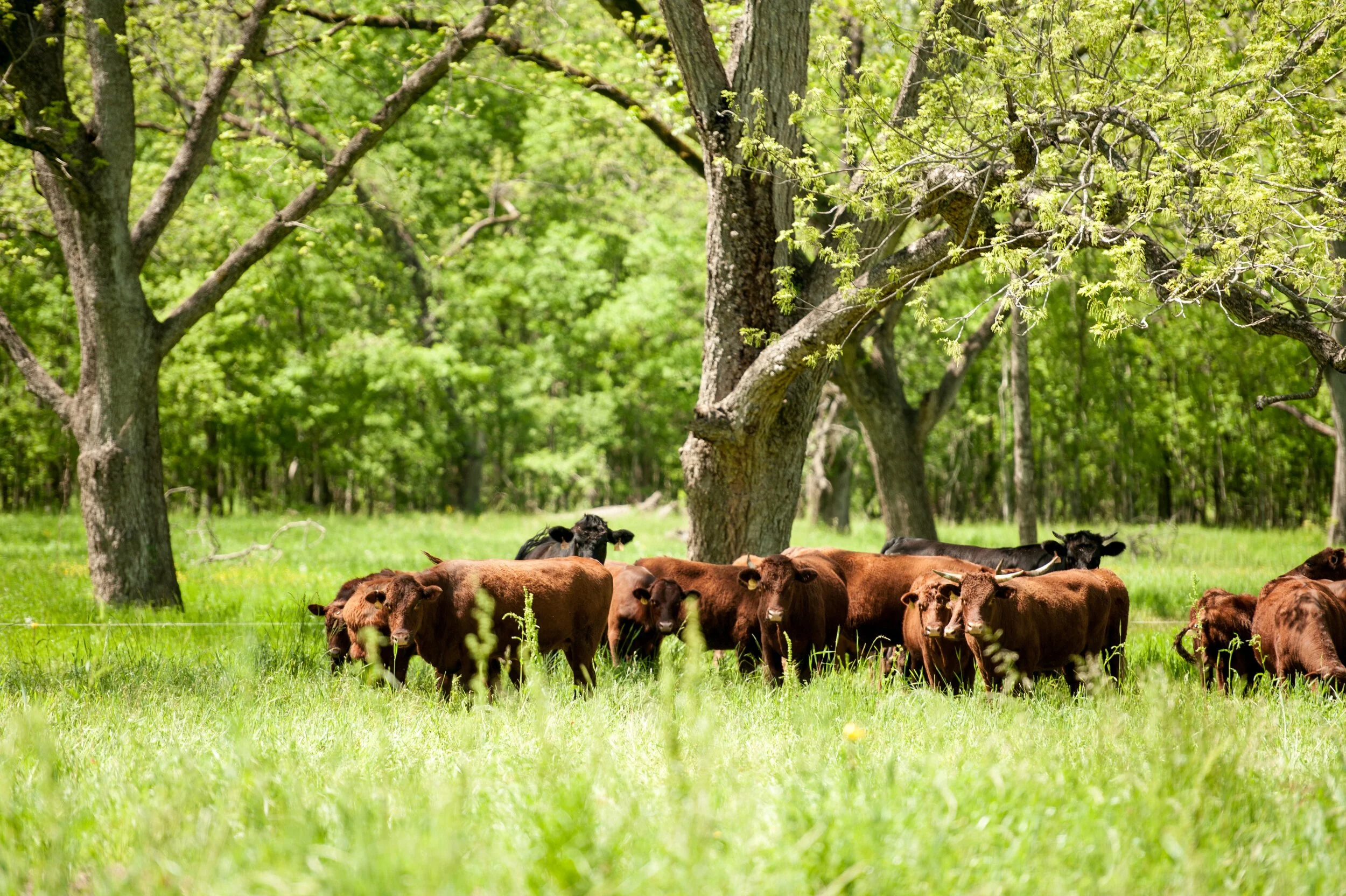
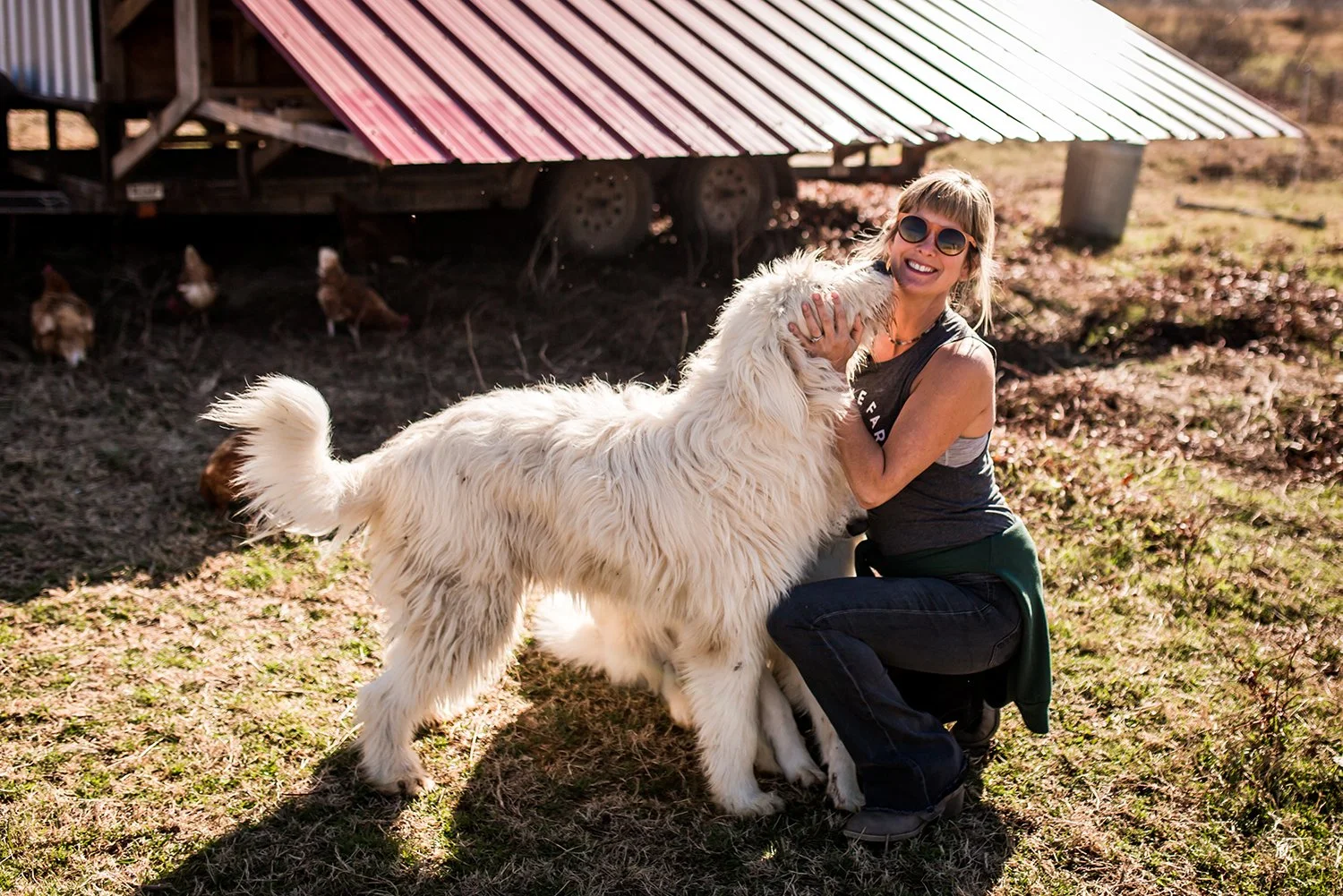
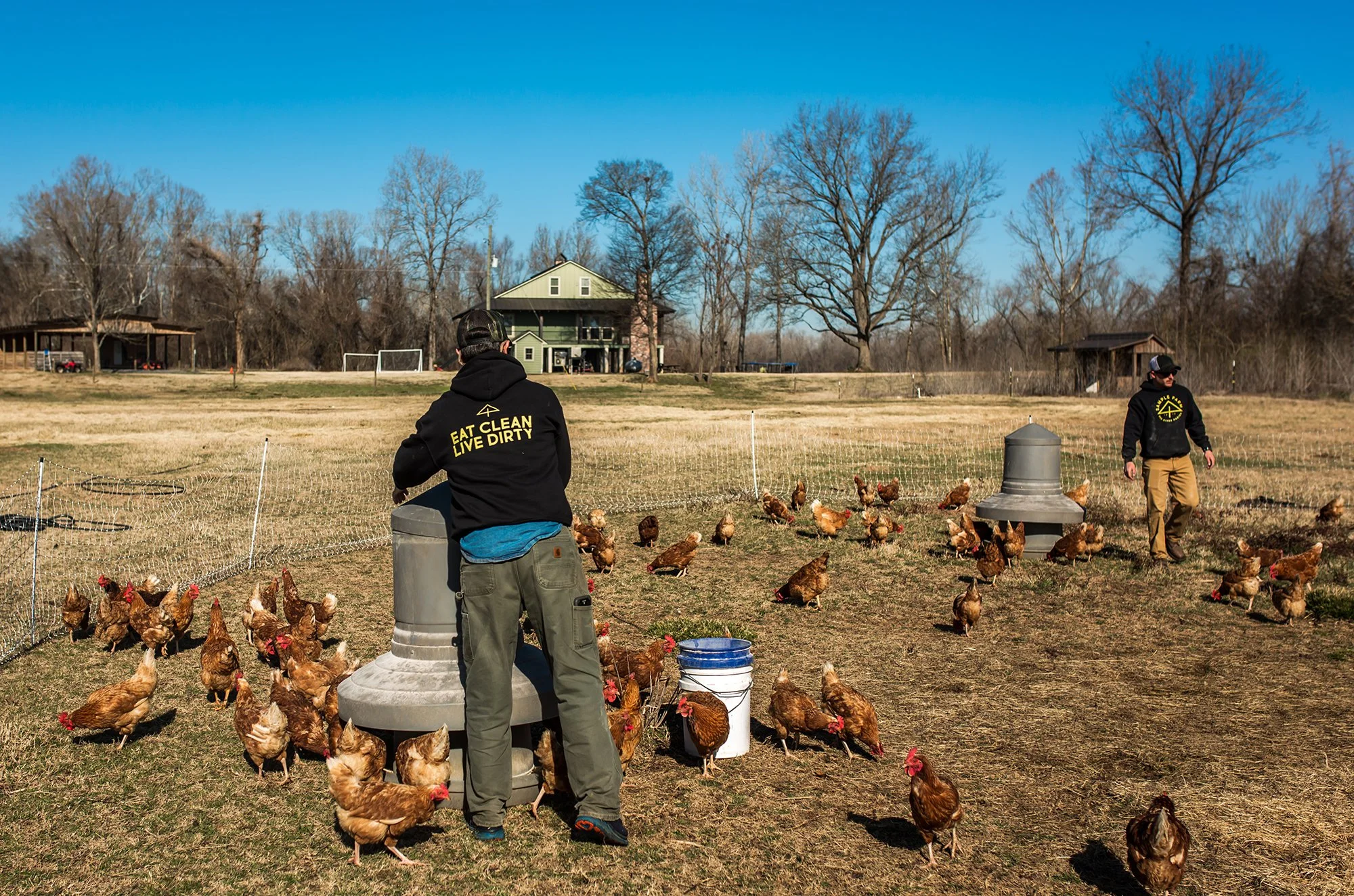
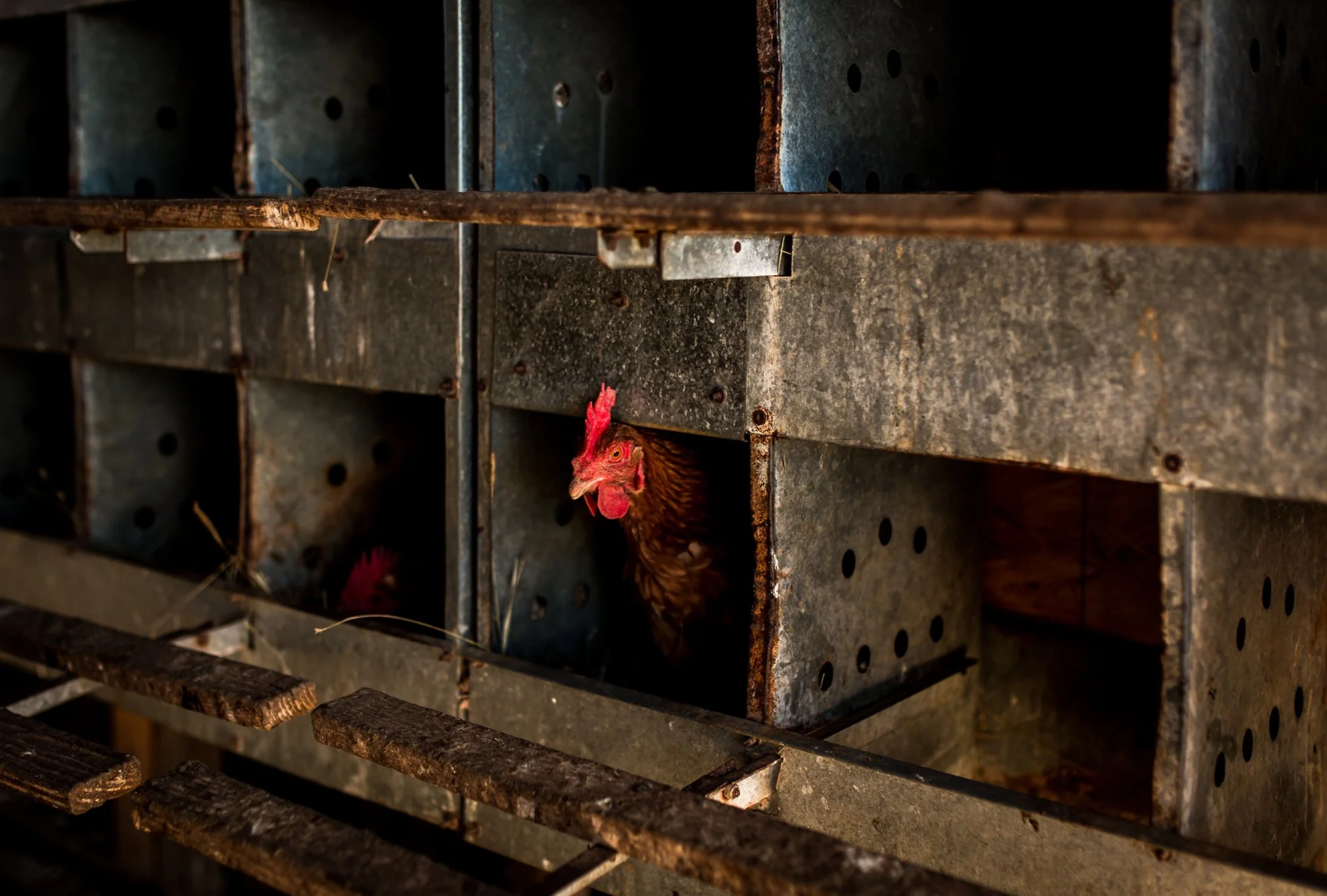
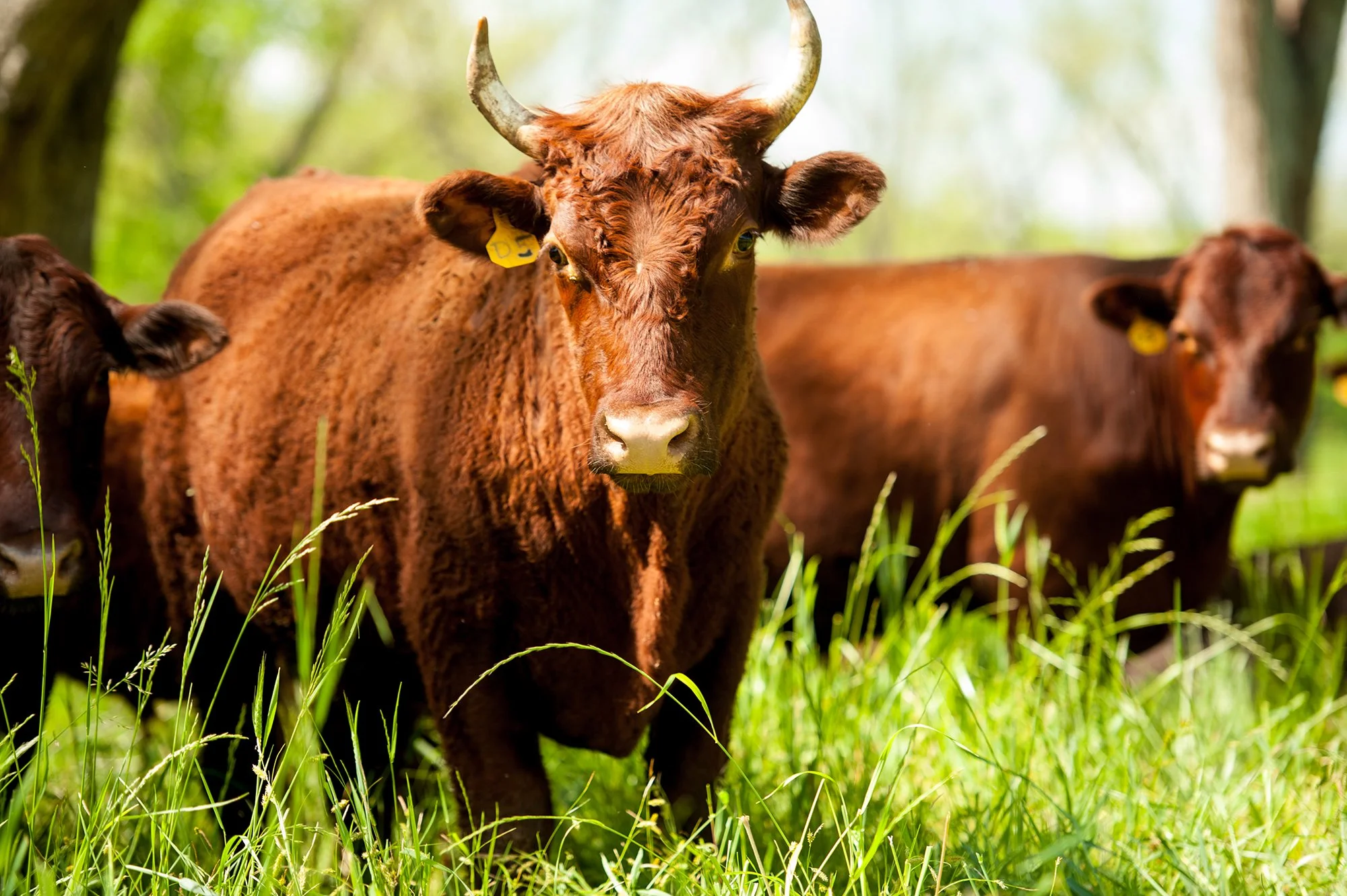
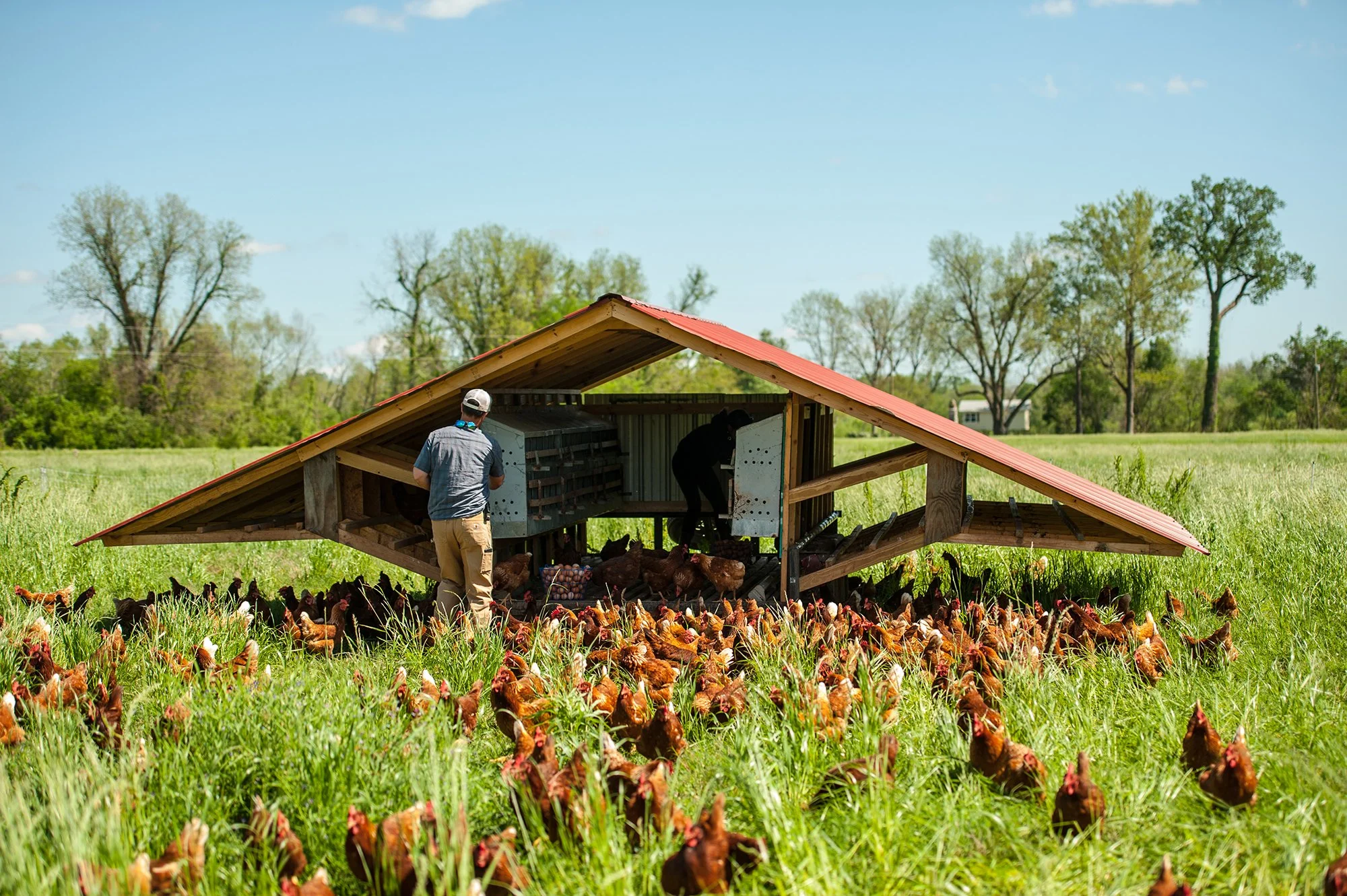
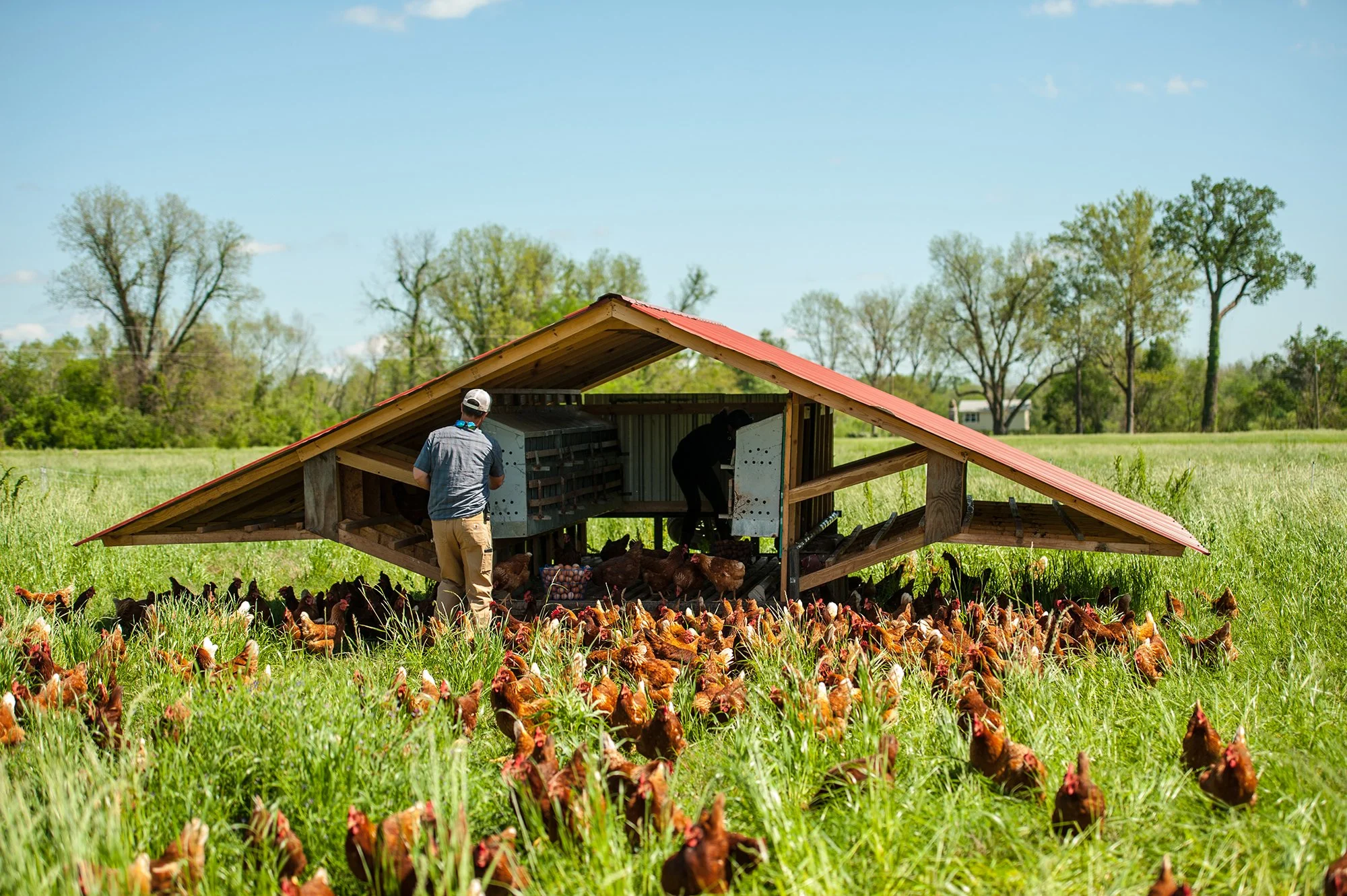
It starts at Sample Farm, our fourth-generation family farm rooted in regenerative agriculture. There, we practice managed rotational grazing, working with the land to build living soil and nutrient-dense pastures. We believe livestock play a vital role in that ecosystem. Our animals are raised with care and respect. We allow them to express their natural behaviors outdoors, in the environment they were designed for.
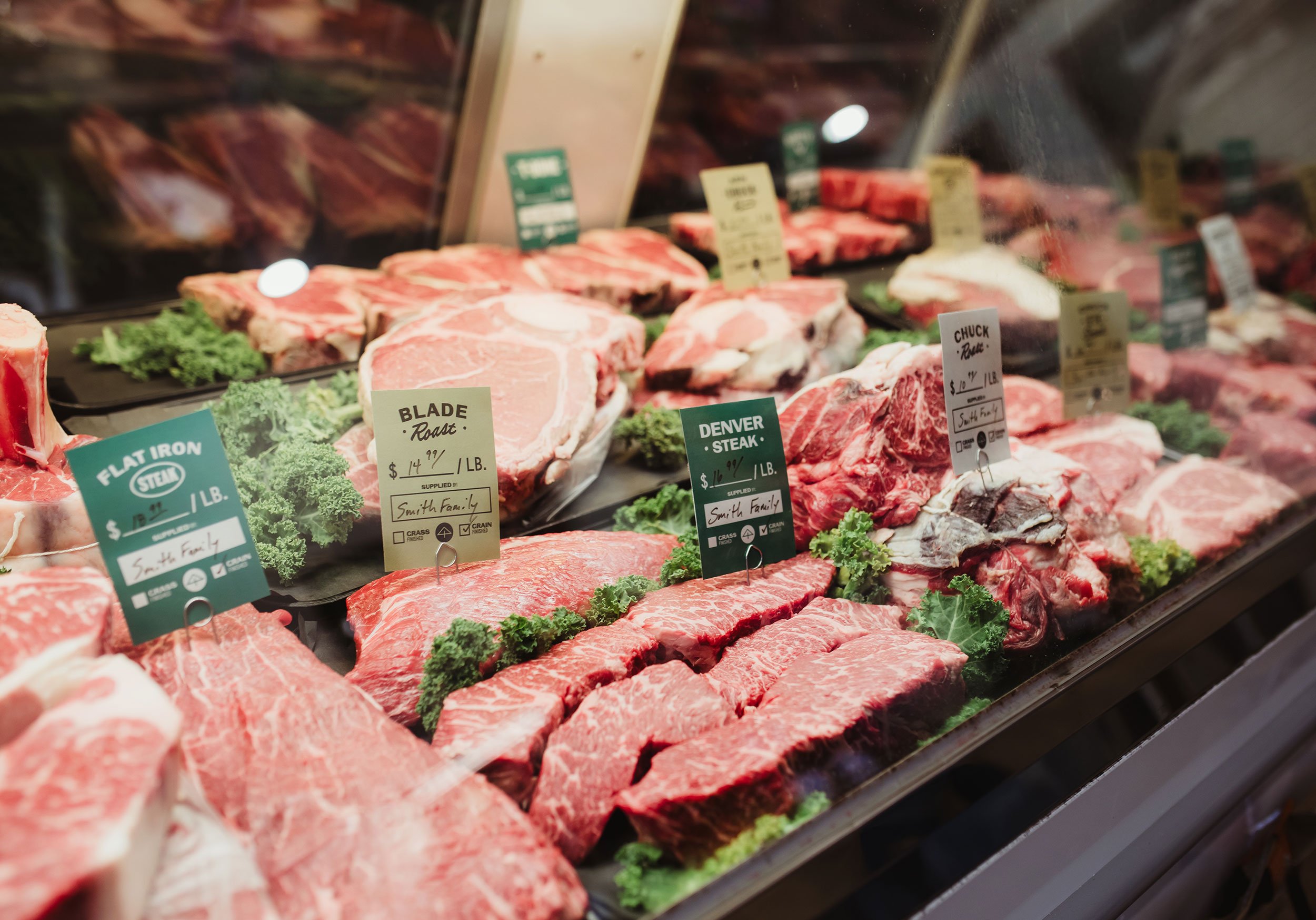
We honor the animal through our whole-animal butchery, The Chop Shop. Every cut has a purpose. We work with the entire animal with care, intention and respect. We believe in minimizing waste and honoring the investment made in raising that animal well. This is what responsible local food production looks like.
When you purchase from us, you’re not guessing where your food came from. You know the land it was raised on, the hands that cared for it, and the standards behind it.
This is how we got here. And this is why we do it.

THE SAMPLE JOURNEY
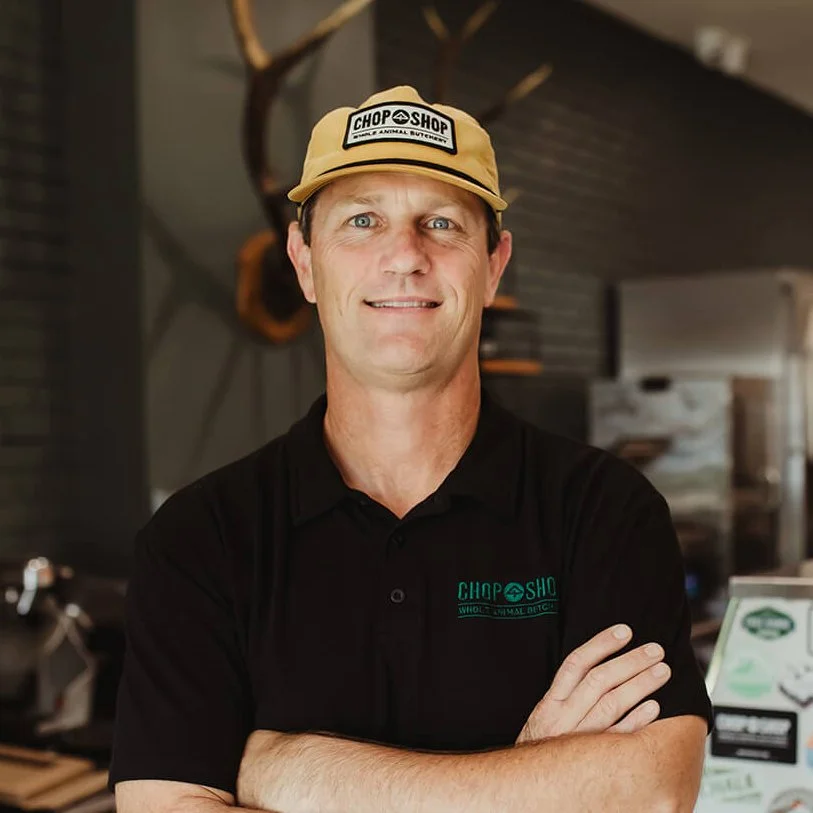
I’m Scott Sample, a Regenerative Farmer in Northwest Louisiana. I haven’t always been a farmer, but being on the family farm has always been the secret to unlocking my soul. I just feel like I’m doing what I’m supposed to be doing in this life. And that feeling provides a deep drive and passion to provide healthy, nutrient dense food to the community in which I call home. I truly enjoy meeting and conversing about food, family, and farming with all the patrons we’ve met along the way.
-
They’re not entirely sure why, but, like Scott, one has to presume that his great-grandfather just wanted to be a farmer. So, in 1912, Arthur Sample bought 3,800 acres in northern Red River Parish. At that time, cotton was king. Sharecropping was rampant. And cattle roamed in pastures that were deemed un-fit for tillage and crops. His grandfather, Arthur Sample II, took the farm over in the 1940’s. Scott never knew his grandfather, but the grafted pecan trees he left behind are a daily reminder of his grit and determination to make the farm work. During his time, cotton gave way to soybeans. As our food system was becoming more industrialized, the commodity cattle market was becoming more volatile, too. But he hung in there and soon, Scott’s father, Arthur Sample III, took his turn at the helm. Scott’s dad always knew he’d work the farm. He soon bought into a large cattle herd and left the row crop farming to his brother. Like Scott, he wasn’t one to sit on a tractor all day.
Scott’s dad always told him that it took him one year to get into the cattle business, an additional two years to know he wasn’t going to make any money on commodity cattle, and another 12 years to get out of the business. And the kicker - another 15 years to pay off the farming debt he had accumulated. Talk about grit and determination. Scott’s dad is the sole reason the farm is still in his family’s hands today. -
Scott never knew the farm as a working farm. Well. That’s not entirely true. He has vague memories of sporting a cap gun six-shooter and cowboy hat as a young buck while his dad team roped most Saturday nights. His memories are mostly tied up in hunting and fishing the farm. Old growth hardwood timber stands are where his time was spent during hunting seasons. The Red River winds through the farm and is where most of his summers where spent fishing.
After high school, he headed west. A modern-day hobo living out of his truck for his collegiate summers in Montana, Scott somehow managed to graduate college while becoming passionate about fly-fishing. So much so, he chased a career as a fly fishing guide and spent all his time on the water - until it was time to head home and maybe, just maybe, work the farm. -
Scott’s a self-proclaimed soil geek with a Bachelor’s degree in Soil Science. He took courses titled Holistic Thought and Management, Nutrient Cycling, Soil Micro-biology, Rangeland Ecology. He engaged in round table discussions about soil health and how rangeland ruminants had the ability to build the healthiest soils. He studied the soils of the great plains during the time when vast herds of buffalo roamed. These massive herds built soils that carried a layer of top soil up to twelve feet deep. Native prairie grasses with root systems equally as deep.
One professor dared him to think about taking these rangeland principles, scale them down, and apply them to modern day agriculture. -
Scott always knew he had the family farm back home, so these rangeland ecology and holistic farming principles never left him. His dad almost losing the family farm never left him either.
In 2009, he and his wife, Emily, headed back to Northwest Louisiana. The ebbs and flows of a seasonal Montana based fly-fishing guide were now becoming harder to balance. Kids were becoming a topic of conversation. So he booked a gig doing soil remediation in the oil field.
During that time, he reconnected with the farm. They first got chickens. Then a few cattle - modern-day hobo, turned modern-day homesteader - then came pigs. Then broiler chickens. They started selling items they had in bulk to friends and neighbors. Unplanned and unknowingly, they were slowly building a local food community. They were noticing that people were willing to pay for the true cost of food - so long as it was legit, nutritious, transparent. and delicious.
So. In 2017, Sample Farm was born. A fourth-generation farm with a vision for the future in regenerative agriculture. -
What started with a few friends and a shared belief in better food quickly grew into a grassroots food movement in our community.
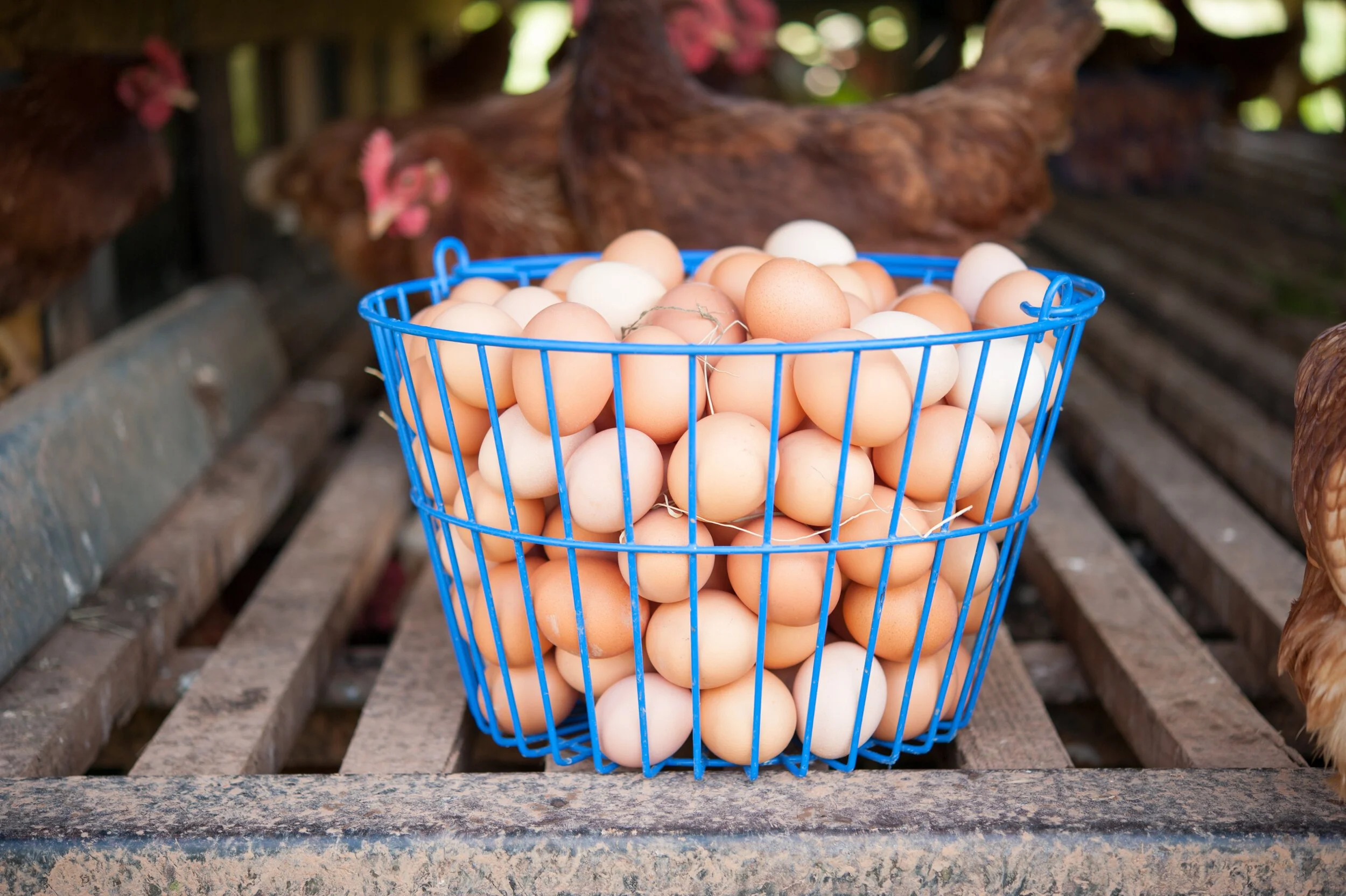
Each week, Scott and Emily loaded up the trailer with fresh eggs, beef, chicken, and pork, and the Farm Stand was born. Each Thursday, folks knew where to find ’em - parked at 724 Azalea Drive.
So, when the idea for the Chop Shop took shape, and they were ready to put down permanent roots, it made sense that this would be the place.
The Chop Shop was established to be more than a storefront. It was envisioned as a local food hub that served as a permanent home for not only Sample Farm products, but for all local farmers and producers. -
Sample Farm and The Chop Shop aim to be a leader in redefining regenerative food production. They are committed to raising their family in a manner that balances farm life, while encouraging their kids, Whit and Mae, to find their own path via sports, hunting, fishing, travel, etc. Their lives are colored with what matters most, food, family, play and farm. They are firm advocates for a more honest relationship between land, farm, and table.